A couple of years ago, I kept coming back to some numbers I couldn’t shake.
Nearly 39,000 households across Beaufort and Jasper counties—almost four in 10 in Beaufort, close to half in Jasper—are what we in the United Way world call ALICE: Asset Limited, Income Constrained, Employed. These are working people and you run into them every day in our communities. Some of them teach your children, others may fight fires or patrol our streets.
Here’s what “working but not making it” actually looks like in our community: a family of two adults and two kids in childcare needs nearly $90,000 a year just to cover the basics in Beaufort County. In Jasper, that number is more than $77,000. For families of color, the odds are even steeper, as they’re nearly twice as likely to fall below that threshold.
Those aren’t poverty statistics. These are people with jobs who still can’t get ahead. They’re making choices the rest of us don’t have to think about: Do I pay the rent or buy groceries? Do I go to the doctor, or keep the lights on?
That data didn’t describe people who had given up. It described people being failed by systems that weren’t built to help them succeed. And once I saw it clearly, I couldn’t unsee it.
The question then became, what can we do about it?
We Knew We Couldn’t Do It Alone
One thing was obvious from the start: United Way couldn’t fix this by itself. No single organization could. The challenges facing ALICE households don’t fit neatly into one sector or one service area. They’re tangled up in housing costs, childcare access, job training, wages, and more. Addressing them would require something different, and I realized it had to be something more than another program.
It had to be a movement.
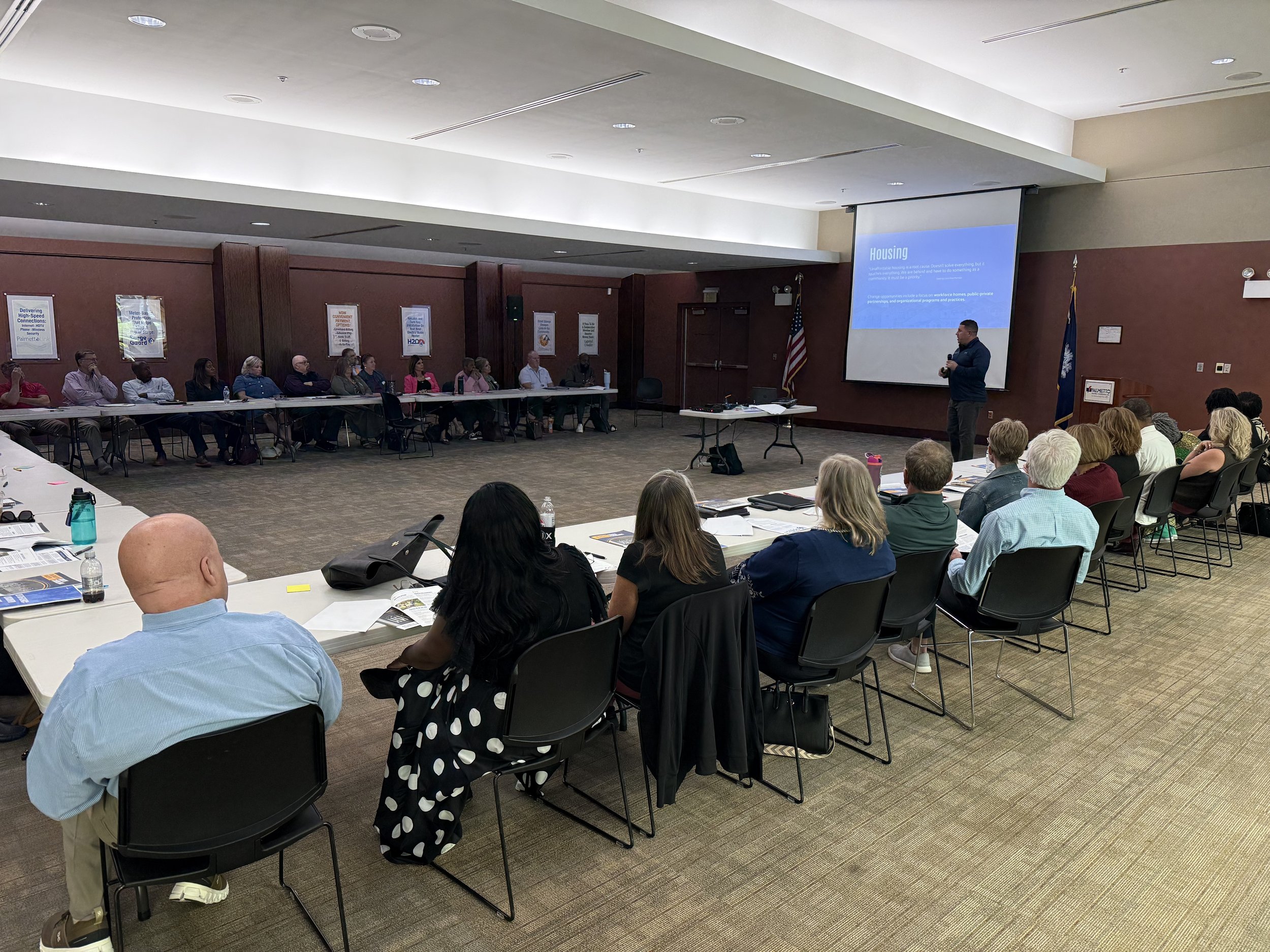
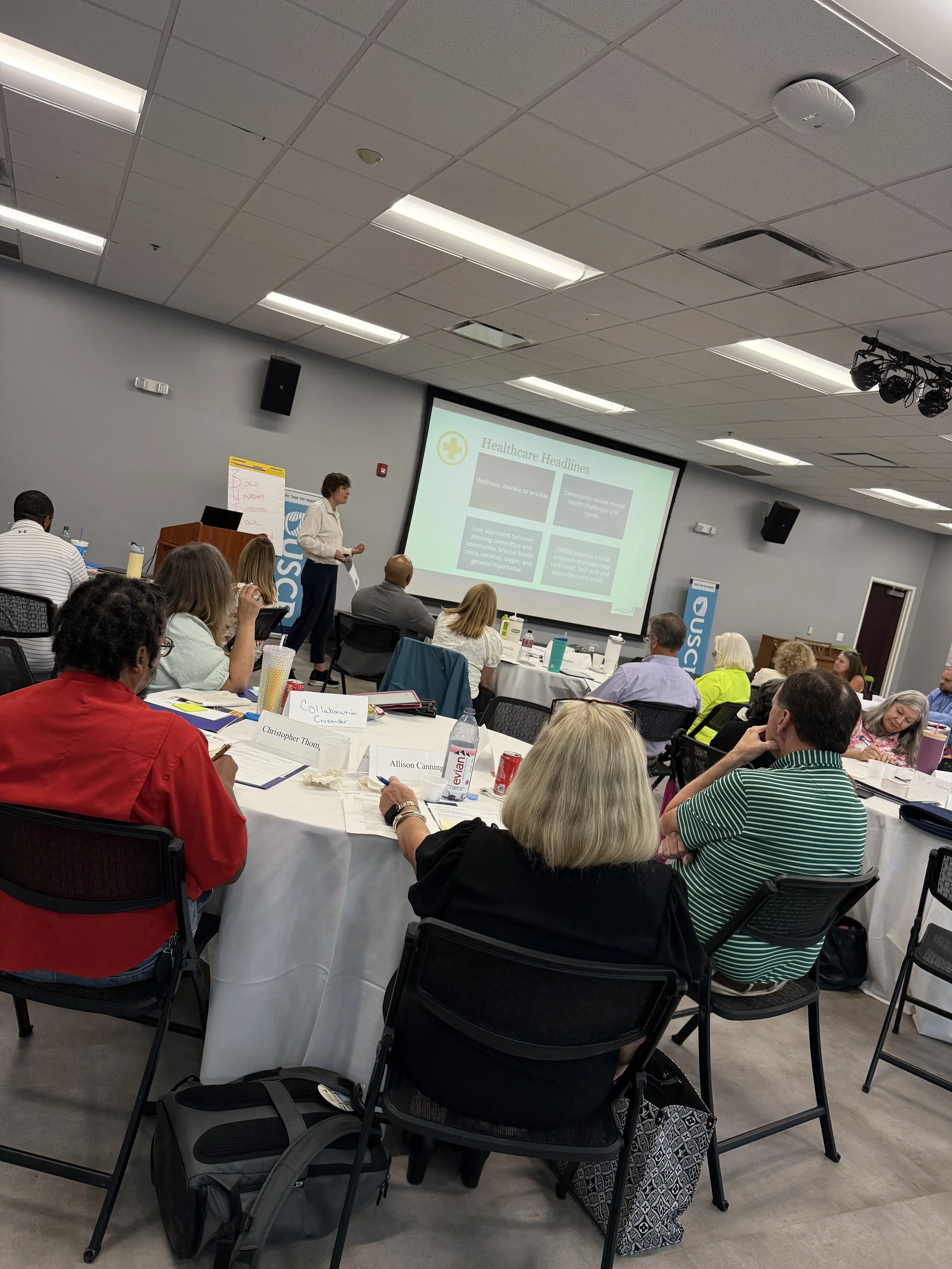
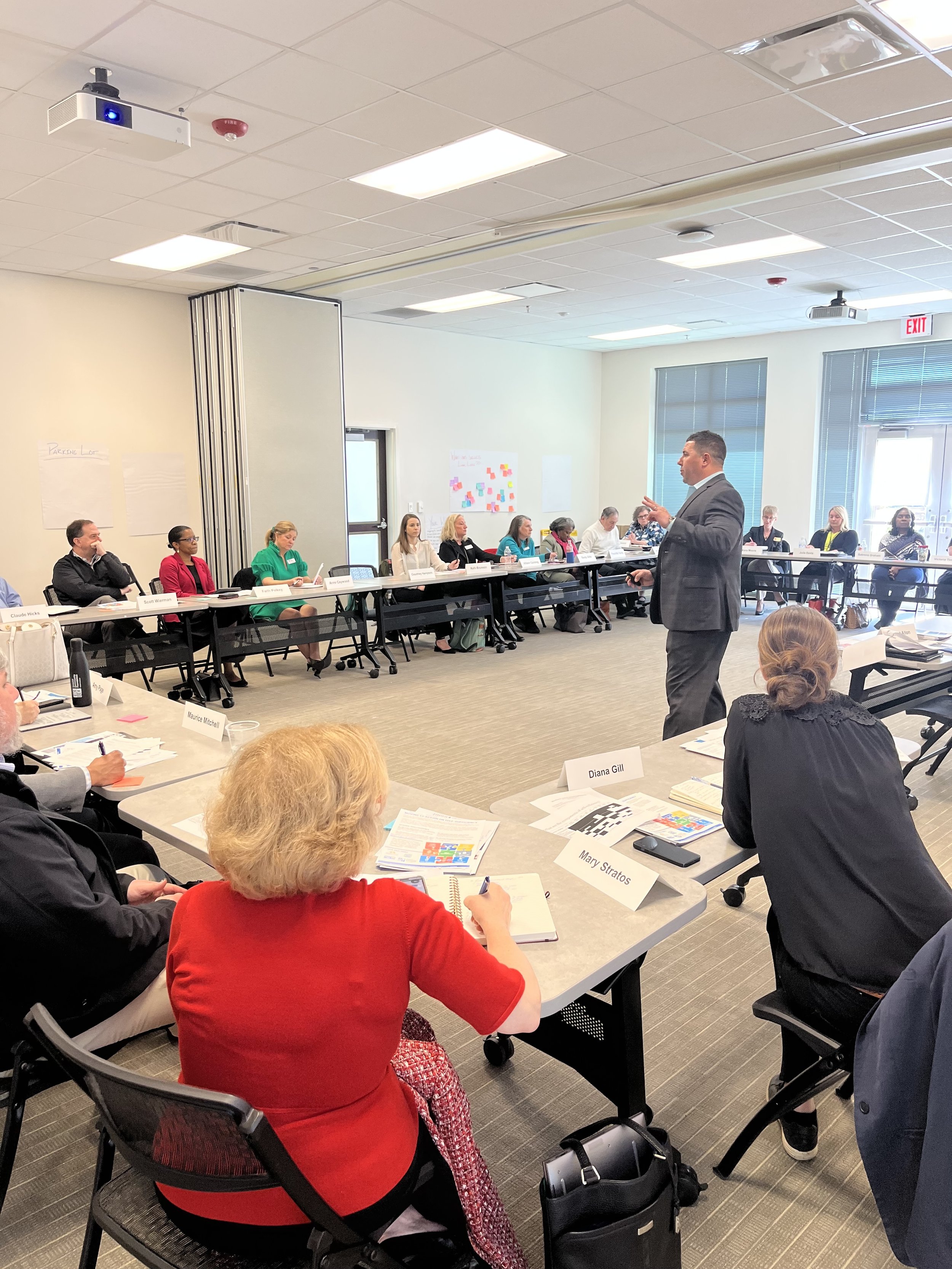
So, in the summer of 2024, a small group of funders took a leap of faith and provided the initial investment to bring people together. With the support of the 1000 Feathers consulting firm, we began a series of conversations across both counties. Slowly, those conversations became something more: genuine trust, shared understanding, and eventually, real alignment.
By the spring and summer of 2025, more than 20 organizations representing education, healthcare, housing, government, faith communities, economic development, and more, had committed to being part of a shared process.
Getting that many people to agree on anything takes time. Getting them to agree on a shared vision and priority areas is more difficult, and it takes a willingness to set institutional interests aside and ask honestly, “What does our community actually need?”
What emerged is the Lowcountry Movement on Self-Sufficiency (MOSS).
What We’re Actually Focused On
Lowcountry MOSS has a clear vision, with a goal to create a strong and connected community where everyone in Beaufort and Jasper counties has what they need to be self-sufficient and thriving. And it has three concrete priority areas where our collective energy is now focused.
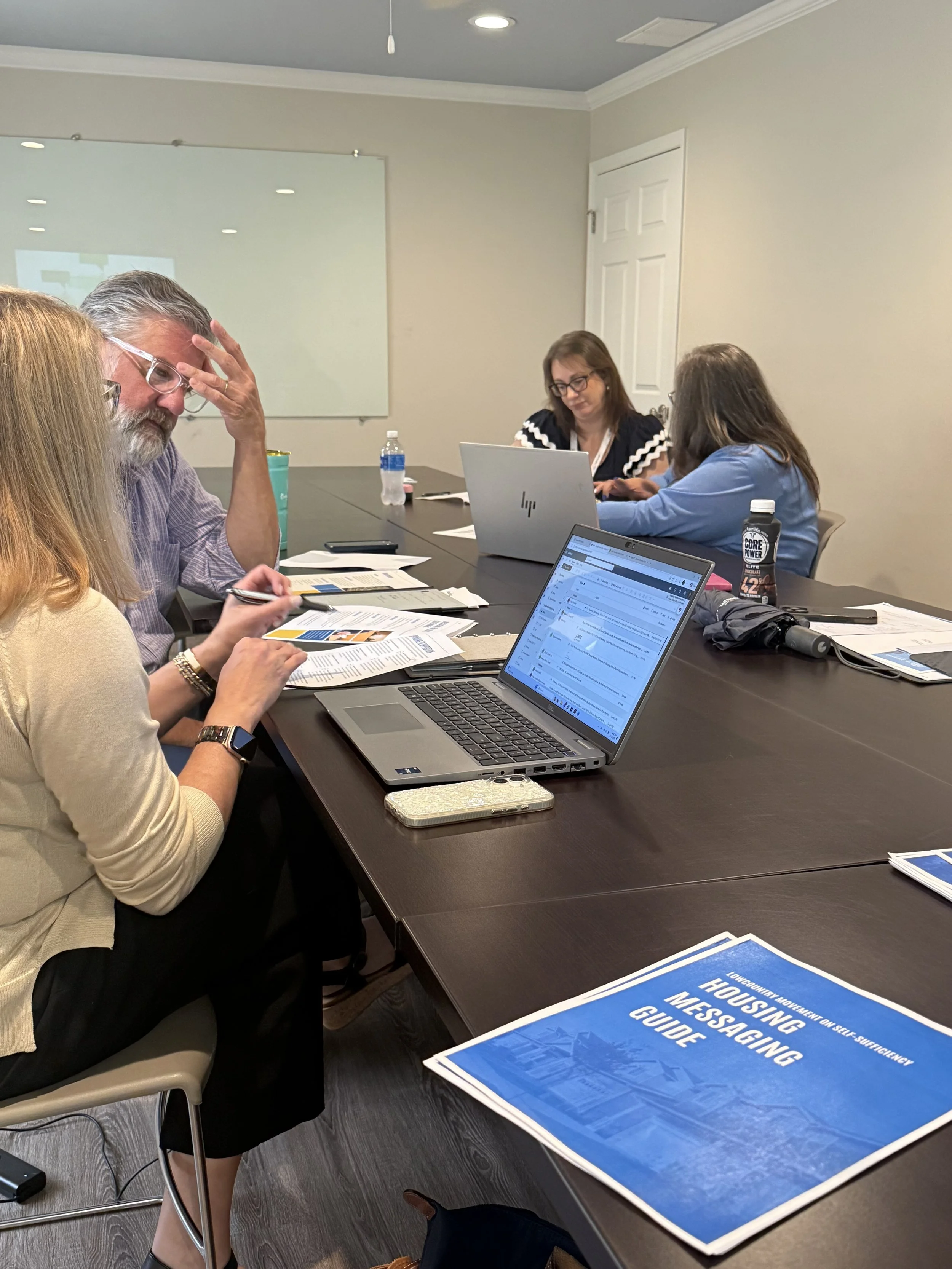
Housing: Launch a large-scale, collective communications effort in the Lowcountry targeting local government, top employers, and private investors to increase public-private partnerships and remove regulatory barriers to housing.
Early Childhood Education: Reimagine the Lowcountry’s early childhood education system through cross-sector partnership and innovation to expand the supply of high-quality childcare, reduce childcare cost barriers for families, and create clear, well-compensated career pathways for early childhood educators.
Workforce Pathways: Create pathways to earn credentials, build technical expertise, and develop skills needed for the jobs of today and tomorrow in the Lowcountry.
These aren’t aspirational bullet points. They are the result of two years of listening, deliberating, and building enough trust to make hard choices together. We now have a Steering Committee of 22 members from 20 organizations, a Core Team providing leadership and coordination, and three task forces actively planning the work ahead.
This is the Beginning, Not the Announcement
I want to be honest about where we are. Launching task forces is not the finish line; it’s when the real work becomes visible. For two years, we’ve been doing the less visible work of understanding the problem deeply, earning each other’s trust, and designing a structure capable of making actual change. That work was necessary. It was slow. And I believe it will prove to have been worth it.
To the partners who have been part of this process, thank you. Your continued engagement in the task forces is what turns shared commitment into shared results.
To funders watching this unfold, what we’ve built is designed to last and to make your other investments more effective. Self-sufficiency is not one organization’s work, and this movement doesn’t belong to United Way. It belongs to these two counties.
To organizations that haven’t yet engaged, there is still room, and we genuinely want you there.
The ALICE data started this conversation. The people behind that data are why we have to see it through.
Written by: Dale Douthat, President & CEO of United Way of the Lowcountry
To get involved with the Lowcountry Movement on Self-Sufficiency, visit uwlowcountry.org/MOSS or call 843.982.3040.